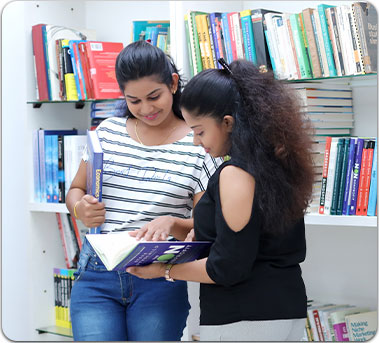
A fundamental part of giving care is being a good communicator with the person getting care. Care is given with respect for the dignity of the person receiving care. The carer remains in contact with the primary health care provider, often a doctor or nurse, and helps the person receiving care make decisions about their health and matters affecting their daily life.
The caregiver manages organization of the person’s agenda. Of special importance is helping the person meet medical appointments. Also, routine daily living functions are scheduled, like managing hygiene tasks and keeping health care products available.
Health, Nutrition, and Safety (WHMIS/Food Safe/ First Aid/Vital Signs) (20 Credits)
Communication strategies for working with clients and families + Working in the home of a client (20 Credits)
Caring for clients of different ages and with different needs (20 Credits)
Maintain personal hygiene and appearance of the client (20 Credits)
Physical, mental, social and spiritual well-being in old age (20 Credits)
Essential practitioner’s skills for nannies and live-in caregivers (20 Credits)
Aims
This diploma aims at equipping both preservice and in-service teachers in care giver settings with the core competencies outlined by the Sri Lankan National Vocational Qualification (NVQ) Standards for Preschool Teachers levels 3 and 4 which covers the foundational knowledge, skills and competencies required to teach in an care giver setting in Sri Lanka and/or abroad. Although this program follows the general guidelines and requirements of the Sri Lankan government regarding preschool teacher training, students are equipped with knowledge on the latest advancements in the field of care giver and education internationally so they have the confidence to seek employment in an care giver setting locally or in any part of the world.
Programme Learning Outcomes
At the end of the program, the students will be able to:
Describe the common under-nutrition problems and non-communicable diseases affecting the humans, knowledge on existing primary healthcare system of the country.
Familiar and apply the relevant first aid to critical situation
Understand appropriate social conventions and uunderstand the importance of communication in ensuring the safety and comfort.
Identify and the special nutritional needs of different ages- a report relating dietary intake and essential nutrients to two individuals with different needs, considering the factors influencing their nutritional health.
explore the nature of and strategies to promote mental well being and mental health, and the impact of mental ill health on individuals.
Assessments
Instead of individual assessments for each module, learners compile a reflective and evidence-based professional development portfolio. This is to demonstrate the acquisition and application (in the work place) of the knowledge, skills and attributes showcasing managerial development.
There will be an End Point Assessment of the professional development.
In addition, there will be a Work Based Project of between 9,000 and 10,000 words in their chosen specialisation.
On completion of the 6 taught modules and the Work Based Project, students will gain a dual award and will be awarded an MBA from:
IBES; and
VERN’ University.
Eligibility Requirements
No prior knowledge is required. Applicants should normally be at least 16 years old and preferably with the following:
Level 3 certificate holders with Care giver qualification or Care Giver teaching or caring experience and
Applicants 16 years old and above and with zero Levels or work experience in similar fields.
Applicants 16 years old and above without any care giving academic qualification but with at least a minimum of 2 years of relevant working experience in care giving teaching experience.